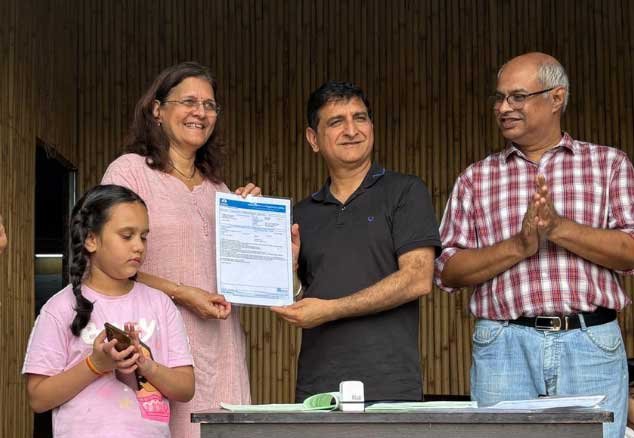
TERRE Policy Centre, Tata Motors Global Services Limited (TMGSL), Tata Motors Commercial Vehicles Limited (TMCVL), Tata Motors Passenger Vehicles Limited (TMPVL), Tata Motors,at Grampanchayat Kodit have strengthened their commitment to environmental sustainability through a large-scale tree plantation initiative at Kodit, Maharashtra. The collaboration was formalized through the signing of a Memorandum of Understanding (MOU), marking an important step towards ecological restoration, biodiversity conservation, and long-term environmental sustainability.
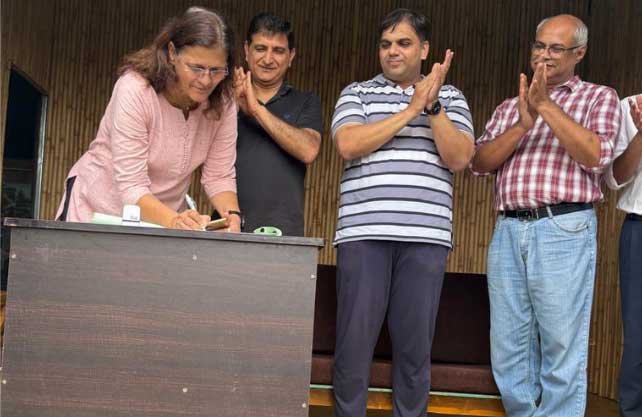
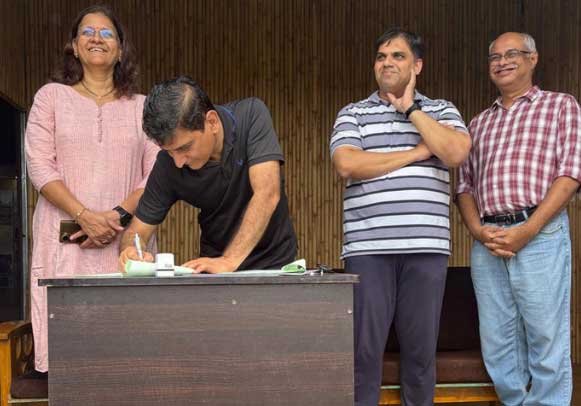
The MOU signing ceremony was attended by prominent representatives from TMGSL, including Mr. Ajay Wadhwa, Chief Executive Officer, and Mr. Prabhu Krishnan, along with other team members. Tata Motors was represented by Mr. Rohit Saroj, Deputy General Manager, CSR – Affirmative Actions, and Mr. Litesh Attarde, Senior Manager, CSR. Dr. Vinita Apte, Founder Director, TERRE Policy Centre, also graced the occasion.
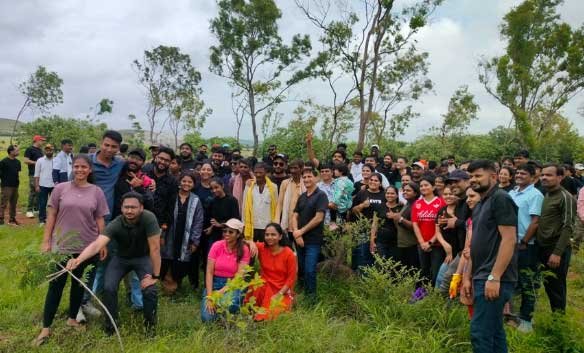
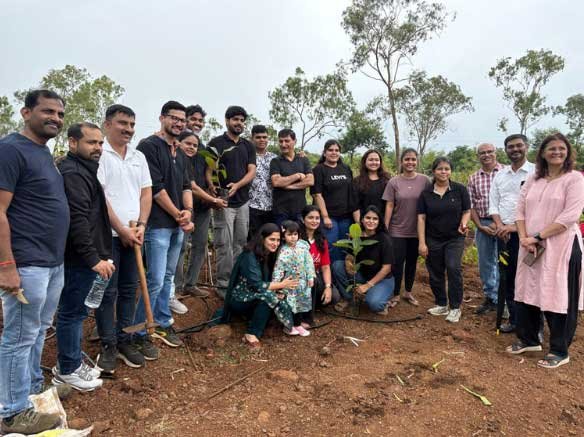
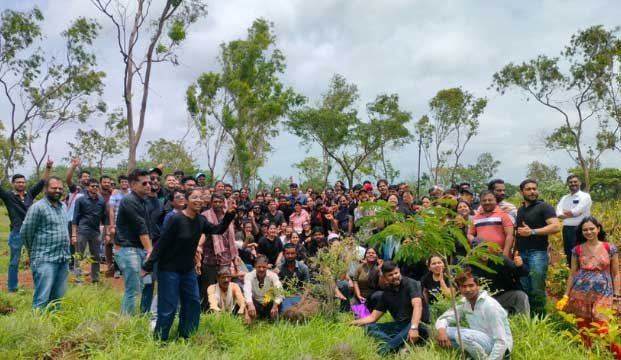
As part of the collaboration, a large-scale tree plantation drive was successfully conducted with the enthusiastic participation of more than 200 volunteers. During the drive, approximately 1,000 saplings were planted. The plantation included a carefully selected mix of indigenous and fruit-bearing tree species suited to the local environmental conditions, with the objective of enhancing green cover and supporting local biodiversity.
The plantation drive is part of a broader Miyawaki plantation initiative at Kodit, under which approximately 22,500 trees are being planted. The project aims to restore degraded land, increase green cover, create habitat for local biodiversity, improve ecological resilience, and generate long-term environmental benefits for the surrounding community.
The initiative reflects the collective efforts of TERRE Policy Centre, Tata Motors, TMGSL, TMCVL, TMPVL, and Grampanchayat Kodit in promoting sustainable environmental practices. The collaboration demonstrates how partnerships between civil society organizations, corporate institutions, and local communities can play a meaningful role in addressing environmental challenges and strengthening grassroots conservation efforts.
Through continued plantation, maintenance, and community participation, the initiative is expected to contribute to the development of a greener, healthier, and more resilient ecosystem at Kodit, while inspiring greater community involvement in environmental conservation and sustainable development.